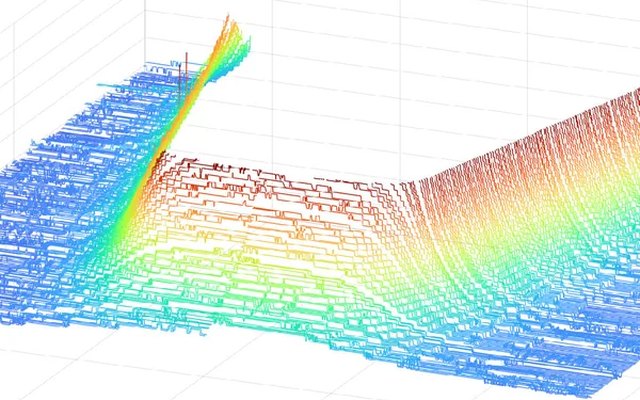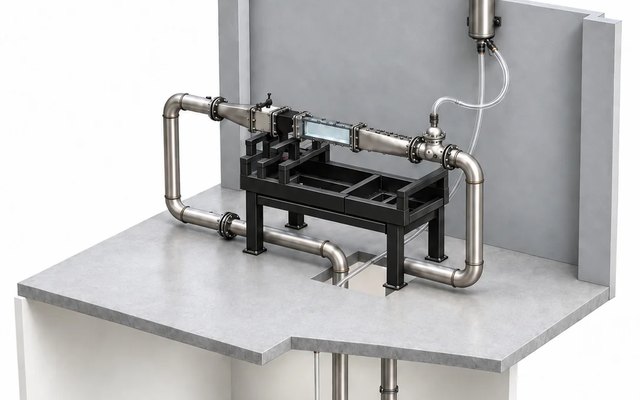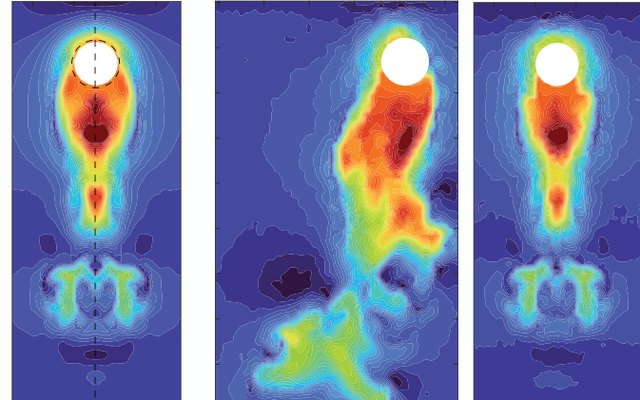
Boundary-aware velocity reconstruction
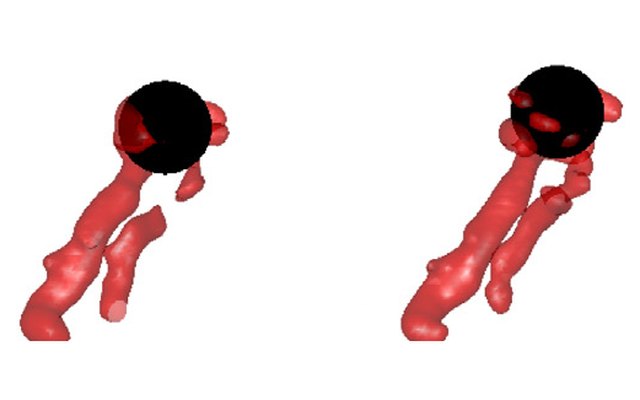
A physics-constrained reconstruction method that accounts for moving solid boundaries when converting volumetric particle tracks into gridded velocity fields.
My work combines advanced optical measurements, laboratory experiments, and physics-constrained analysis to understand unsteady fluid flows. Each study below has a dedicated page with figures, a short overview, and a link to the publication.
A physics-constrained reconstruction method that accounts for moving solid boundaries when converting volumetric particle tracks into gridded velocity fields.
Experimental characterization of three-dimensional wakes and forces around freely rising spheres using refractive-index-matched tomographic particle tracking.
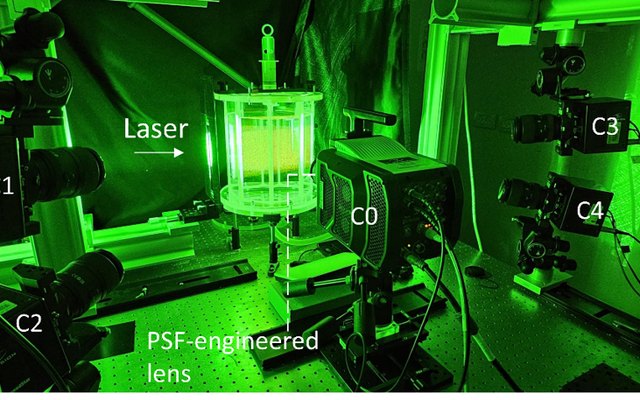
Volumetric velocity fields from one camera, using an engineered point-spread function and deep learning.
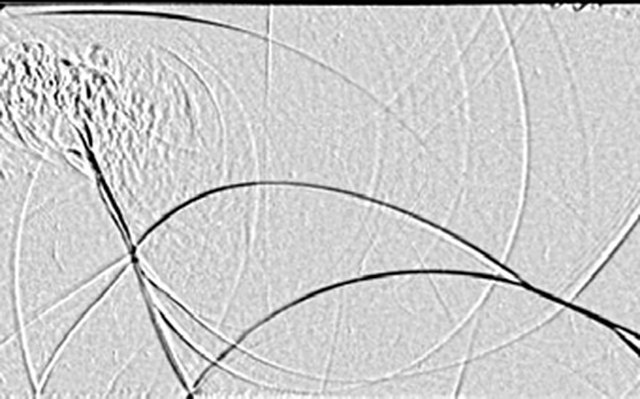
Experiments and numerical analysis reveal how a shock wave develops far downstream of an abrupt duct-area expansion.
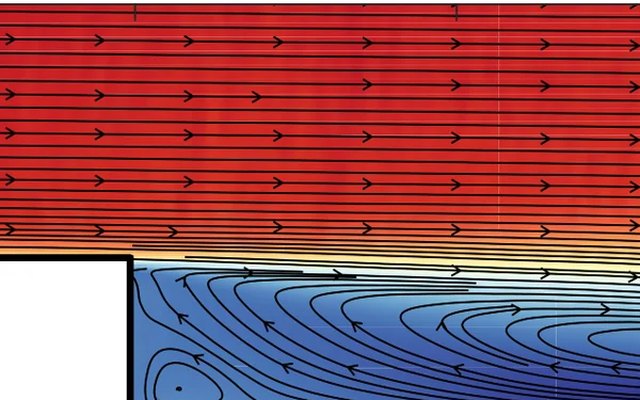
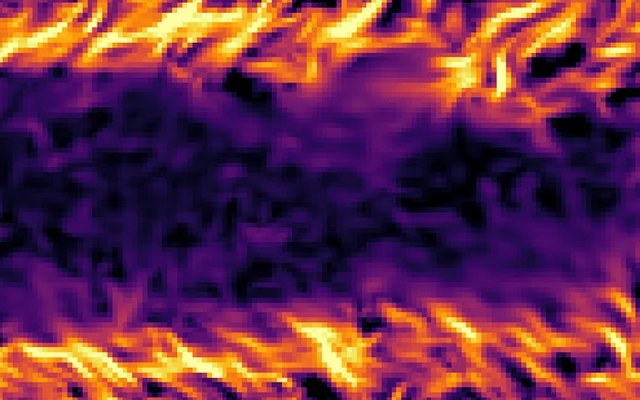
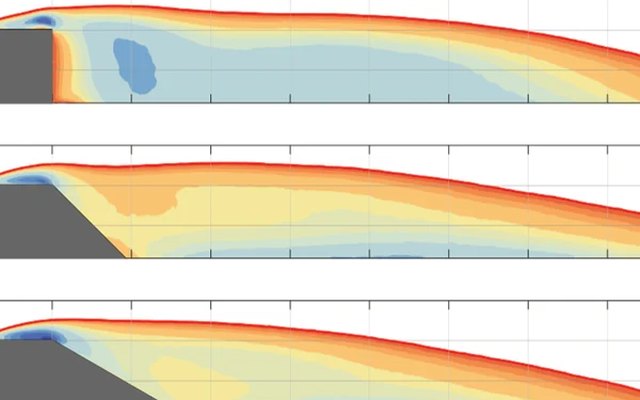
Stereo-PIV measurements compare the turbulence response to abrupt and gradual axisymmetric pipe expansions.
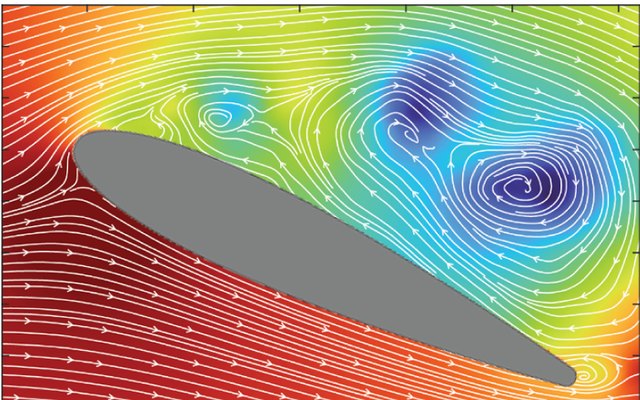
Experiments resolve flow structures, pressure, and aerodynamic loads on an oscillating airfoil during dynamic stall.
Measurements and modeling of the liquid–gas interface around particles of anisotropic shape.
Analysis of coherent-structure transport, persistence, and spectral organization in abrupt and gradual pipe expansions.
Stereo-PIV measurements over twelve protrusion shapes show how length and rear-face angle set separation and turbulence.
Shock tube, water tunnels, refractive-index-matched tomographic PTV, interface scanning and more.
For a complete citation list, visit the publications page.